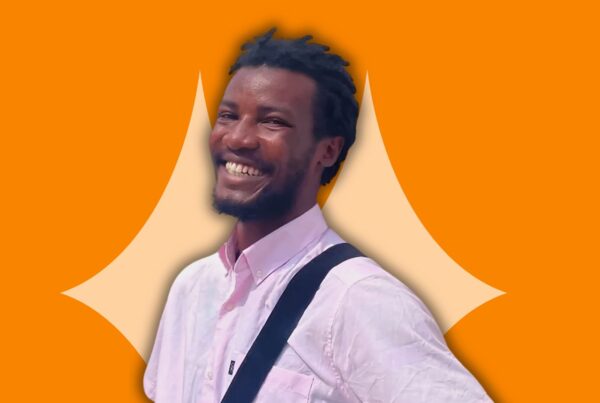
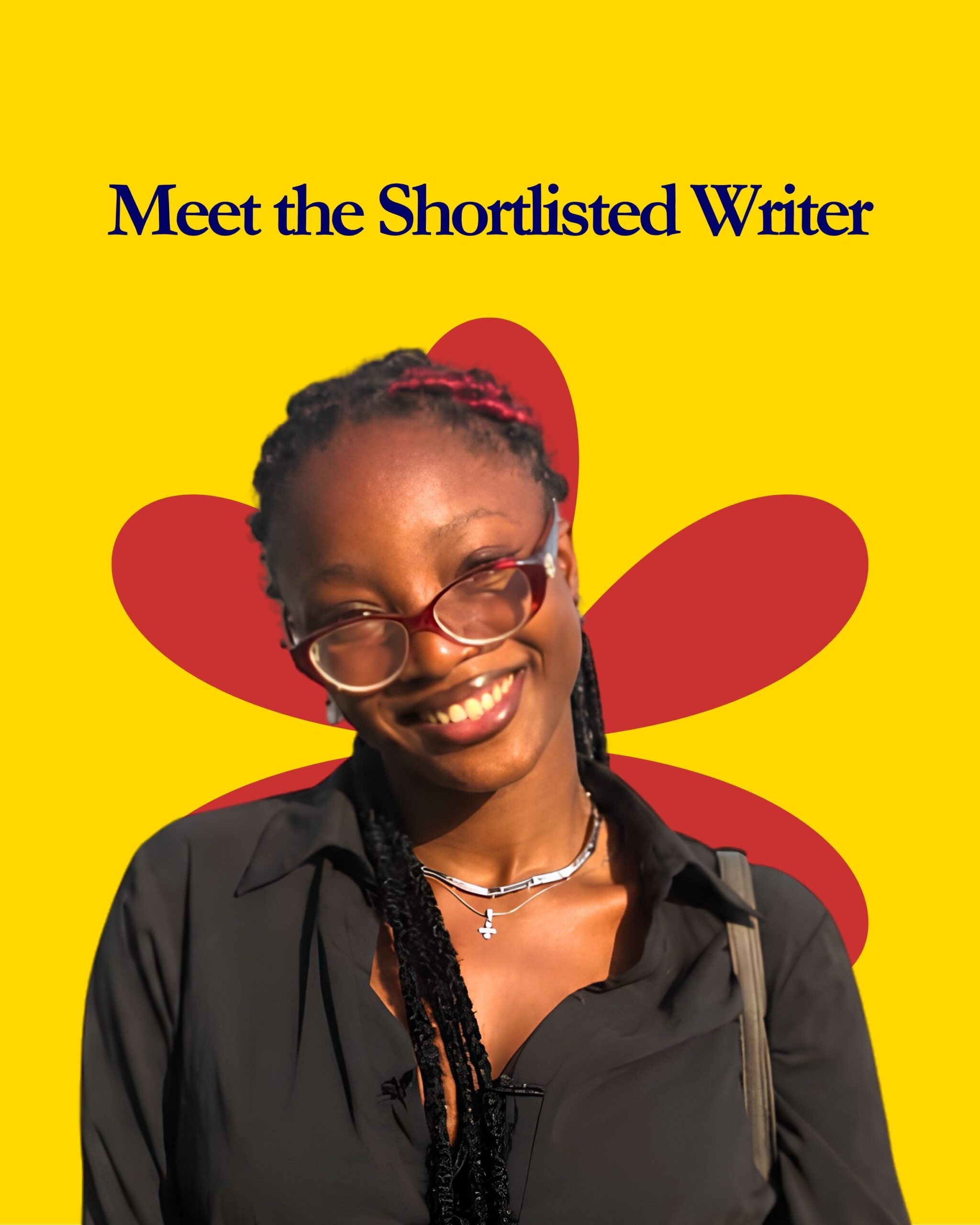

Gabriel Divinefavour Onyekachi Oyiza is a writer and Medical Laboratory Science student at Delta State University, Abraka. Of Delta Igbo and Ebira heritage, Oyiza writes stories that examine mental health, womanhood, African identity, and the beliefs society passes down without question.
In this interview, Oyiza discusses the experiences and writers that have shaped their work, their approach to writing, and what recognition for The Tick would mean to them.
1. How would you describe your authorial interests? What themes, questions, and topics interest you?
I’m drawn to mental health, women’s experiences and womanhood, African identity and culture, challenging preexisting norms, and the ways society shapes what we believe about ourselves and others.
I like stories that question things people take for granted, especially when those beliefs come at the expense of someone’s freedom or humanity.
2. Tell us about your shortlisted story, The Tick, and what inspired it.
The Tick is told through a child’s perspective and explores what happens when people inherit beliefs and traditions without questioning them.
I was thinking about people who have been misunderstood or denied a voice because society wasn’t ready to listen. I wanted to explore how the stories we inherit shape the way we see others, and what happens to the people caught in the middle.
3. Which writers do you admire, and why?
Elle Mae is one of my favourite sapphic authors. Chimamanda Ngozi Adichie’s books shaped so much of my childhood and helped shape me into the woman I am today.
I also admire Akwaeke Emezi for the bold, deeply personal ways they explore identity, belonging, and the complexities of being human.
4. When did you realise you wanted to be a writer?
I’ve always lived in my head. As a child, I read constantly, borrowed books from school, and sometimes hid them in my lap to read during class.
Eventually, reading wasn’t enough; I wanted to create the worlds and stories I was so drawn to.
5. What does a typical writing day look like for you?
It depends on how strongly an idea speaks to me. I’m currently finishing my degree, so sometimes it takes me a while to return to a project. Other times, I can’t put my pen down until I’ve written over 10,000 words.
There’s rarely an in-between.
6. Are you working on anything else at the moment?
Yes! I have a short story inspired by news I came across about the lives of women in India, alongside a few nonfiction pieces exploring sociopolitical issues in Nigeria and Africa.
I’m also working on The Future Speaks African and The Algorithm of Identity, which explore questions around identity, culture, and the things that shape us.
7. Is there a book you would love to reread?
I’d happily reread The Secret Lives of Baba Segi’s Wives by Lola Shoneyin.
I also recently discovered God’s Children Are Little Broken Things by Arinze Ifeakandu, and I enjoyed it enough to want to experience it all over again. I especially loved its intimate, nuanced portrayal of queer lives and love within Nigerian society.
8. What book would you recommend to readers, and why?
I’d recommend What Happened to Janet Uzor by Miracle Emeka-Nkwor. I found it fantastic, and it’s one of those books I think more people should give a chance.
9. What would winning the Élékéré Prize mean to you?
Honestly, it would mean more than winning a prize. I held The Tick very close to my heart, but I wasn’t sure how other people would receive it. Being shortlisted has already given me hope that something I found meaningful can resonate with someone else.
I believe mental health is often overlooked until it begins to affect productivity, as though a person’s mind matters only when it interferes with what they can do. I wanted The Tick to confront readers with the human cost of that kind of thinking. I wanted us to pay attention, even when suffering doesn’t look the way we expect it to.
Having this story recognised would mean more to me than I can adequately express.
10. Where can readers find you and your work?
You can find me on Substack as Author Ree (@gabrielle20). I’m also on Instagram as @riellespop.
I’m still finding my feet as an online writer, but I’m always happy to connect with people who enjoy my work.